Poor sleep is rarely one problem — it's usually several overlapping ones, each contributing in different ways on different nights. Before reaching for a gadget or supplement, it's worth working through which of these well-evidenced causes is most likely to apply to you. Getting this right means a much shorter route to actually sleeping better.
Circadian Rhythm Disruption: The Most Addressable Root Cause
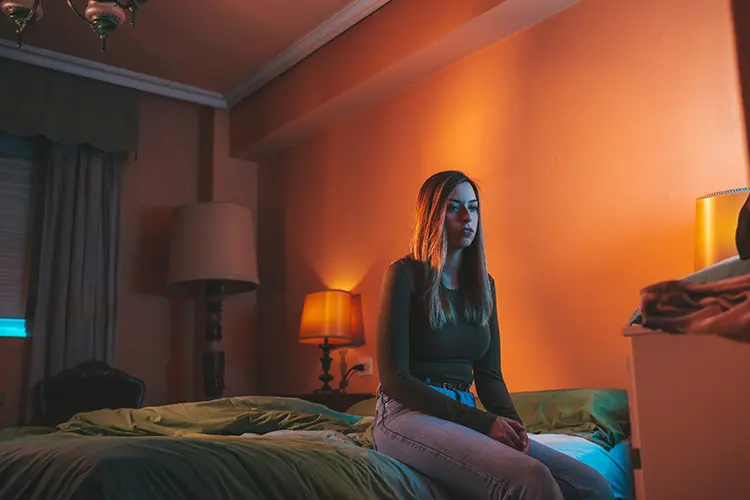
Your circadian rhythm is the roughly 24-hour internal clock that determines when you feel alert versus sleepy, when cortisol rises and falls, and when your core body temperature dips in preparation for sleep. It's regulated primarily by light exposure — specifically, the timing and intensity of light hitting the retina and reaching the brain's suprachiasmatic nucleus (SCN), the master circadian pacemaker.
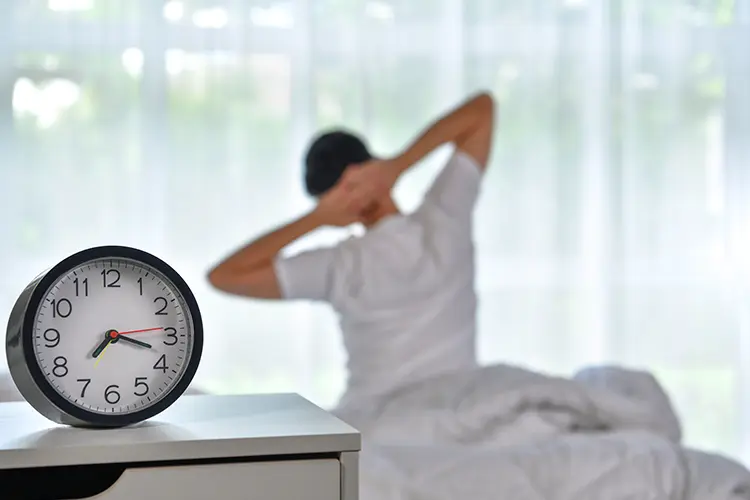
Morning light exposure is the most potent circadian anchor. It tells the SCN that it's daytime, advances the internal clock, and sets the timing for melatonin release in the evening — which typically happens roughly 14–16 hours after the morning light signal. When that morning signal is absent or delayed (because someone stays indoors, uses blackout blinds into the late morning, or lives at high latitude in winter), the whole downstream timing of sleep onset can shift.
Late-night bright light — particularly blue-wavelength light from screens and overhead LEDs — works in the opposite direction, signalling daytime to the SCN and suppressing melatonin production at the exact time the body should be ramping it up. Research has consistently shown that blue-enriched light in the evening delays circadian timing and worsens sleep onset.
Irregular sleep and wake times compound both problems. A consistent wake time is among the most evidenced, practical changes for people with circadian-related sleep disruption — it anchors the clock even when other factors vary. For context on how this connects to the stress-and-recovery picture, see our guide to stress and the nervous system.
Chronic Stress and Cortisol: The Physiological Loop That Disrupts Sleep
Cortisol follows its own daily rhythm that should mirror and complement the circadian pattern: high in the morning (supporting alertness and energy), declining through the afternoon, and low in the evening as the body prepares for sleep. Chronic stress disrupts this rhythm, often producing elevated cortisol in the evening when it should be low — which directly interferes with sleep onset and produces lighter, more fragmented sleep architecture.
This is where the nervous system's parasympathetic and sympathetic branches matter directly for sleep. Elevated evening cortisol is associated with sustained sympathetic activation — the opposite of the parasympathetic "rest and digest" state the body needs to wind down and transition into sleep. Slow breathing, wind-down routines, and reduction in stimulating activities in the hours before bed all have at least modest research support for supporting this transition.
Importantly, the relationship between stress and poor sleep runs in both directions: elevated cortisol disrupts sleep, and poor sleep independently increases cortisol reactivity the next day, creating a feedback loop that can be difficult to break from either direction alone.
Sleep Environment: The Unglamorous Variables That Matter More Than You'd Think
Room temperature, light, and noise are consistently identified in the sleep research literature as meaningful environmental factors — unglamorous compared to devices and supplements, but well-evidenced and often the most cost-effective changes available.
Core body temperature needs to drop to initiate and maintain sleep. A cooler room facilitates this; a hot room works against it. Most sleep research cites optimal bedroom temperatures in the high teens Celsius (around 16–19°C / 60–67°F), though individual preferences vary. Even keeping the room a few degrees cooler than habitual tends to produce measurable improvements for people whose bedrooms run warm.
Even low-level light during sleep has been shown to affect sleep architecture and morning cortisol levels. Minimal or no light in the sleeping environment is consistently associated with better sleep quality. Noise — or specifically, variable and unpredictable noise — disrupts sleep continuity even when it doesn't produce full arousals that the sleeper remembers.
Caffeine and Alcohol: The Timing Problems People Underestimate
Caffeine has a biological half-life of roughly 5–7 hours in most adults, though this varies considerably based on genetics, age, medications, and other factors. For a meaningful proportion of people, an afternoon coffee at 2pm still has a noticeable amount of caffeine active in the system at 10pm — enough to delay sleep onset and reduce slow-wave sleep depth even when sleep feels achievable.
Alcohol deserves particular mention because its effect on sleep is frequently misunderstood. While alcohol produces an initial sedative effect that can speed sleep onset, it significantly disrupts sleep architecture in the second half of the night — suppressing REM sleep, increasing night waking, and producing lighter, more fragmented sleep overall. People who drink regularly and report sleeping better on alcohol are typically experiencing the sedative phase while the actual sleep quality costs accrue later in the night.
Underlying Conditions and Life Stages Worth Ruling Out
Sleep apnoea, restless legs syndrome, anxiety and mood disorders, chronic pain, thyroid dysfunction, and hormonal transitions including perimenopause and menopause are all legitimate, well-evidenced contributors to poor sleep that go beyond habits and environment. If sleep problems are persistent, severe, or accompanied by specific symptoms — loud snoring, gasping at night, an irresistible urge to move the legs in the evening, excessive daytime sleepiness — that warrants a medical evaluation rather than continued self-management.
For women approaching or in the menopausal transition, sleep disruption from night sweats and hormonal changes deserves its own assessment and sometimes its own treatment approach, which we cover in our guide to menopause brain fog and its sleep component.
Frequently Asked Questions
A consistent wake time combined with morning light exposure is among the most consistently evidenced and accessible changes for circadian-related sleep problems. This won't fix every cause, but it's the highest-leverage starting point for most people.
Yes — elevated evening cortisol from chronic stress can disrupt sleep onset and quality even when sleep hygiene and environment are otherwise good. In practice, multiple factors usually overlap.
If poor sleep is persistent, severe, or accompanied by symptoms like loud snoring, gasping at night, leg discomfort in the evening, or excessive daytime sleepiness, it's worth ruling out sleep apnoea or restless legs syndrome with a medical professional rather than self-managing.
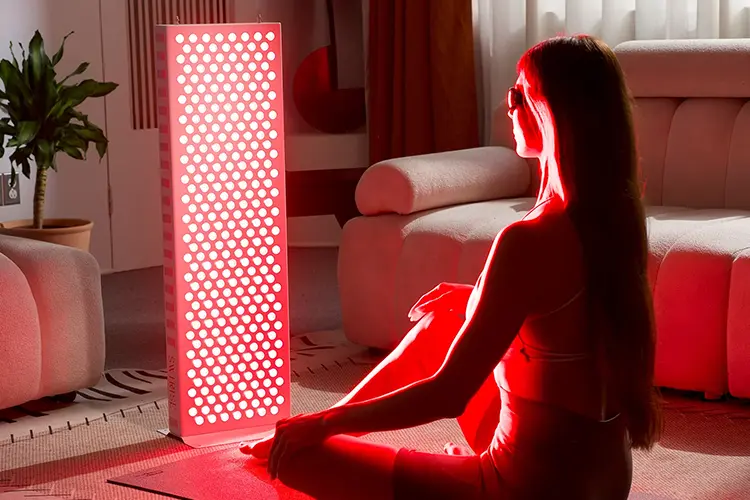
It may help specifically with the circadian/melatonin piece by avoiding blue-light melatonin suppression in the evening. The evidence for red light as an active sleep improvement tool is thinner — we cover this directly in our red light therapy and sleep guide.
LessStress.ie
LessStress.ie covers neuro-tech devices, sleep science and brain health for an Irish audience, with every product claim checked against the real peer-reviewed evidence before it gets a recommendation.
Related Articles
Sources & Further Reading
- Wams, E.J., Woelders, T., Marring, I., et al. (2017). Linking light exposure and subsequent sleep: a field polysomnography study in humans. Sleep, 40(12). View on PubMed ↗
- Czeisler, C.A. & Gooley, J.J. (2007). Sleep and circadian rhythms in humans. Cold Spring Harbor Symposia on Quantitative Biology, 72, 579–597. View on PubMed ↗
- Thakkar, M.M., Sharma, R., & Sahota, P. (2015). Alcohol disrupts sleep homeostasis. Alcohol, 49(4), 299–310. View on PubMed ↗